ThePrimitive humans in South Africa already made mattresses from herbs and medicinal plants77,000 years ago, according to a study by an international team of scientists led by Professor Lyn Wadley, from the University of the Witwatersrand (Johannesburg).
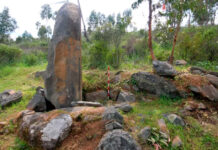
The bedrock remains were discovered in excavations at the Sibudu stone refuge, in the KwaZulu-Natal province, and are approximately 50,000 years older than other known examples, so they coincide with other behaviors introduced by modern man in their daily life, such as the use of shell beads and stone technology. The experts emphasize thatmodifying the living space of the habitat, including the bedroom environment, is an important aspect of behavior and cultureSo these findings provide “fascinating” information about early modern humans in southern Africa.
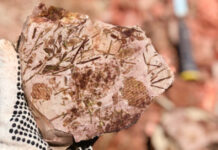
Professor Wadley and his team found in 1998 during excavations at the site a vein with at least 15 different layers containing remnants of plant beds. The scientists confirmed that they were compacted bands of grass and other types of plants that villagers could have used to protect themselves from mosquitoes and other insects. Several of the fossilized plant remains they found were identified as belonging to the laurel family, which are often used in traditional medicine. Specifically, botanist Marion Bamford, from the University of the Witwatersrand and a member of the team, identifiedremains of the species Cryptocarya woodii , whose crushed leaves emit traces of chemicals that have insect repellent properties.
“The selection of these leaves for the manufacture of the mattress indicates that the first inhabitants of Sibudu had a close knowledge of the plants that surrounded their refuge and their medicinal use,” says Wadley. The researchers, who have released their findings in the journalScience, they believe that the refuge people collected the seeds and plants around the Thongathi River and used the plant bed not only for sleeping but also for working on it.
Analysis with the microscope also revealed that around 73,000 years ago humans began to burn the beds periodically, “probably as a way to get rid of pests,” says Christopher Miller, professor of geoarcheology at the University of Tübingen (Germany ). This is something that, he explained, they could do to prepare the site for new occupants and that represents a new concept in the use of fire for the maintenance and occupation of a site.