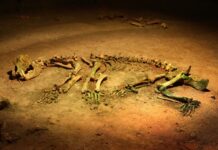
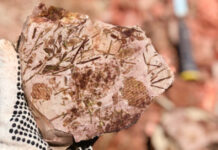
In addition to the dog and the cat, man has had another inseparable companion for the last thousands of years: the pig . An international team of researchers from China, the United Kingdom and the United States has analyzed the DNA of this pet to reconstruct its history.
As researchers reveal today in the journal PNAS , after analyzing the DNA of current domestic pigs and that of others that lived 9,000 years ago, they have come to the conclusion that in Europe the pigs were imported by farmers who came from the Middle East . Later the original population was replaced by domesticated local wild boars .
In China , however, pigs were domesticated independently from local wild boars . The current species still have a clear relationship with the prehistoric pigs found in archaeological sites. According to experts, the first domestication in Asia, on the banks of the Yellow River, could have occurred about 10,000 years ago . Once pigs were incorporated into domestic farms, they also migrated alongside people from Southeast Asia to New Guinea and even remote areas of the Pacific such as Hawaii, Tahiti and Fiji, the analyzes suggest.
Following the genetic trace of these animals throughout Europe and Asia could help reconstruct human migratory movements and locate the first commercial activities, which could have pigs as protagonists.