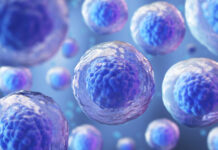
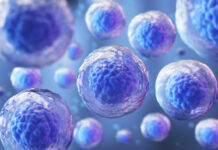
Wisdom teeth, also called ‘third molars’, are almost always a hindrance: in many cases they have to be extracted and it is rare for the person who does not suffer discomfort when these late teeth begin to appear. However, an investigation carried out by researchers from the International University of Catalonia has just shown that wisdom teeth are not so useless, sincecontain stem cell populations from which different tissues can regeneratesuch as bone, liver and neuronal.
The team has succeeded in isolating subpopulations of pluripotent stem cells, similar to embryonic stem cells but located in adult cells, and has shown in vitroits ability to regenerate tissues. The researchers chose the wisdom teeth to work with since, being the last teeth to emerge,are in earlier stages of development and contain more pulp, from which stem cells are extracted. An additional advantage is that very often the third molar must be extracted, making it an ideal candidate for tissue regeneration. Furthermore, since the cells are from the same patient who will receive the treatment, the risk of rejection when they are transplanted is eliminated and there are no associated ethical problems.
The next phase of the study, which is published in the journalJournal of Cell Science, will be conducting clinical trials to verifyin vivothe ability of isolated stem cells to regenerate tissues and thus open the door to multiple therapeutic possibilities.