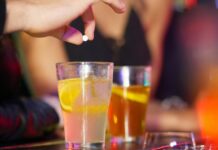
Do you want to know if someone has spilled drugs in your glass or in the cup of coffee that you are about to drink? The DrinkSavvy company has just developed a technology that, incorporated into the material with which the glasses are made, undergoes a visible color change when it detects a drug in its content. Although the company warns that they still have to perfect it to be able to incorporate it into all kinds of containers and beverage containers, including cans and bottles, they predict that the invention could put an end to an increasingly common phenomenon in the United States that consists of drugging people at a bar or club by adding a sleep-inducing substance to your drink that facilitates subsequent sexual assault and rape.
About one in four rapes are carried out through drug use. Both GHB and Rohypnol have been used to facilitate so-called "drug-assisted sexual assaults" during dating. These substances are often colorless, tasteless, and odorless, and can be added to drinks and cause the victim to inadvertently ingest them. When mixed with alcohol, Rohypnol can incapacitate the victim and prevent them from defending themselves.