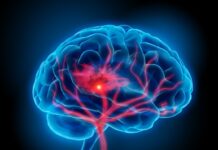
In the stomach there are around100 million neurons, many more than the spinal column contains, and that is one of the reasons why it is nicknamed the “second brain.” This network of cells makes it possible to maintain close contact between the digestive system and the brain, through the vagus nerves, informing about everything that passes through the first. What’s more,food entering the stomach causes numerous hormones to be released into the bloodstream. Among them are theGLP1 peptide, which lowers blood glucose levels and promotes stomach contraction; choleocystokinin (CCK), which suppresses the appetite when it detects fat or protein in food; thebombesina, which reduces the intake; waveghrelin, also known as the “hunger hormone.”
The latter has gained popularity in recent years after discovering that its release not only increases appetite, but alsoreduces energy expenditure, and favors both the formation of new accumulations of fat and weight gain. In essence, ghrelin levels are known to rise sharply before every meal and drop immediately after. To make matters worse, in some obese individuals it has been found that the concentration of the hormone does not vary when they eat or when they stop eating, which would explain why they never feel satiated. Another role of ghrelin, according to recent research, isactivate the hippocampus, a brain region related to learning and memory.
Another connection between the brain and the stomach that should be taken into account is that, according to the magazine recently publishedScience, we show more aggressive behavior when we have an empty stomach. One of the reasons is that the diet is the main source of tryptophan, an amino acid necessary for the body to produce one of the neurotransmitters that control emotions at the brain level, serotonin. And therefore, tryptophan and serotonin decrease when not eaten, increasing aggressiveness.