

Possibly of Asian origin, the swede or turnip of Sweden is a horticultural and forage plant of the cruciferous family. It has the appearance of an outward-leaved turnip, with a round and fleshy bulb, which is the edible part and which has an elongated stem that grows very close to the surface of the soil. The scions also come out of it, which grow around it and give it its strange appearance. Kohlrabi is sometimes wrongly classified as a root. Two basic varieties of this cabbage relative can be found in greengrocers : purple and white kohlrabi.
What is a kohlrabi?

What would the 'Mediterranean diet' be without America?
It is one of the most famous diets, and one of the healthiest, but many of its foods have a very distant origin.

First direct evidence that babies react to taste and smell in the womb
Fetuses smiled after their mothers ate carrots, but frowned at the taste of kale, according to a new study.

Food Products Need Environmental Impact Labels, Says Study
Better understanding the environmental footprint of each ingredient could enable the transition to a more sustainable food system.
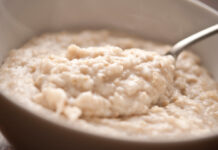
The Scots already had cereals with milk in the Neolithic
Traces of wheat found on Neolithic pottery shards suggest that the cereal was eaten cooked, like porridge or porridge.

They discover why we have cravings for fatty foods
Research carried out with mice reveals that fat sensors located in the intestines stimulate the brain and drive the desire to eat.