

Today’s video game stores are heaven for people with OCD. A collection of boxes of the same size perfectly arranged and aligned with a marketing rule that dictates which way the letters go and in what position the logo is. But it was not always like this.
There was a time when the promotion of the game was carried out on those same shelves and, to stand out from the crowd and get the desired sale, the way to present it to the public was the key to achieve it. Reaching that milestone was as simple as going to Hock Wah Yeo .
The Game Box Artist
Without being part of any development of the games he worked for, this designer from San Francisco managed to be a fundamental piece in their success. As Jordan Mechner recalled , the success of Prince of Persia did not come until the original box was replaced with the one created by Yeo.
Think that we are in a time when the game on PC walked through the stores without guidelines to follow. Unlike the boxes of Super Nintendo or Sega Megadrive, the game on PC had total freedom to be sold in the most original way possible.
However, it was not something that was being done beyond the box drawing. In an age when software magazines or industry advertising was still in its infancy, deciding which product to pick from the shelves had to be much more visceral. This is how Hock Wah Yeo himself collected it in Phil Salvador’s formidable essay on him:
“If Toyota launches a new model, we are probably not going to look at it. A car is a car, right?
But if Toyota introduces the three-wheeler we are all going to look at it because our reference of what a car is dictates that they have four wheels, and now that has changed. It is new information. If it alters your mind, it makes you curious.
The reaction is not “is this product right for me?” The reaction should be “what the hell is this?” When that gets your attention, you’ll get it, and that’s when you sell it. “
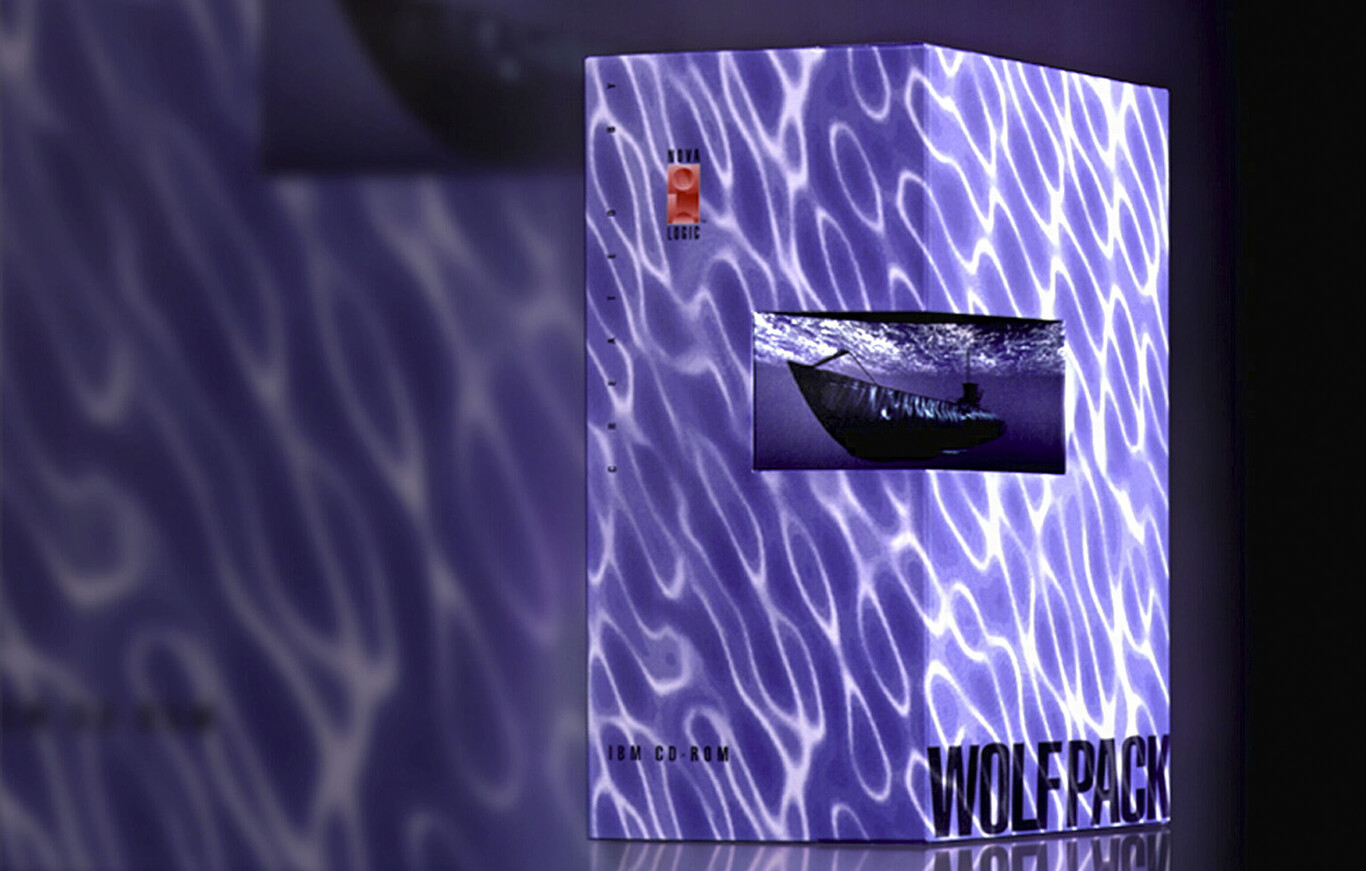
Cardboard and plastic artwork
With a business that still had a few years to run, those who wanted to stand out from the rest of the games on the shelves flocked to Hock Wah Yeo . After testing the game in question, Yeo returned to the client with two options, his vision of how the game box should be to stand out, and a more restrained one to return to if the client did not see it clearly.
Needless to say, the ones that worked were the first, from pyramid shapes to boxes that unfolded like opening a closet. The challenge, however, was to go further and further. The rest of the designers were not going to take long to start copying that strategy, so it was time to take more and more risks .
And they were not few, eye. We are talking about a manufacture that could easily be the equivalent of current promotional budgets . If bulk-making a regular box barely fetched 50 cents, Yeo’s eye-catching boxes could fetch up to four dollars.
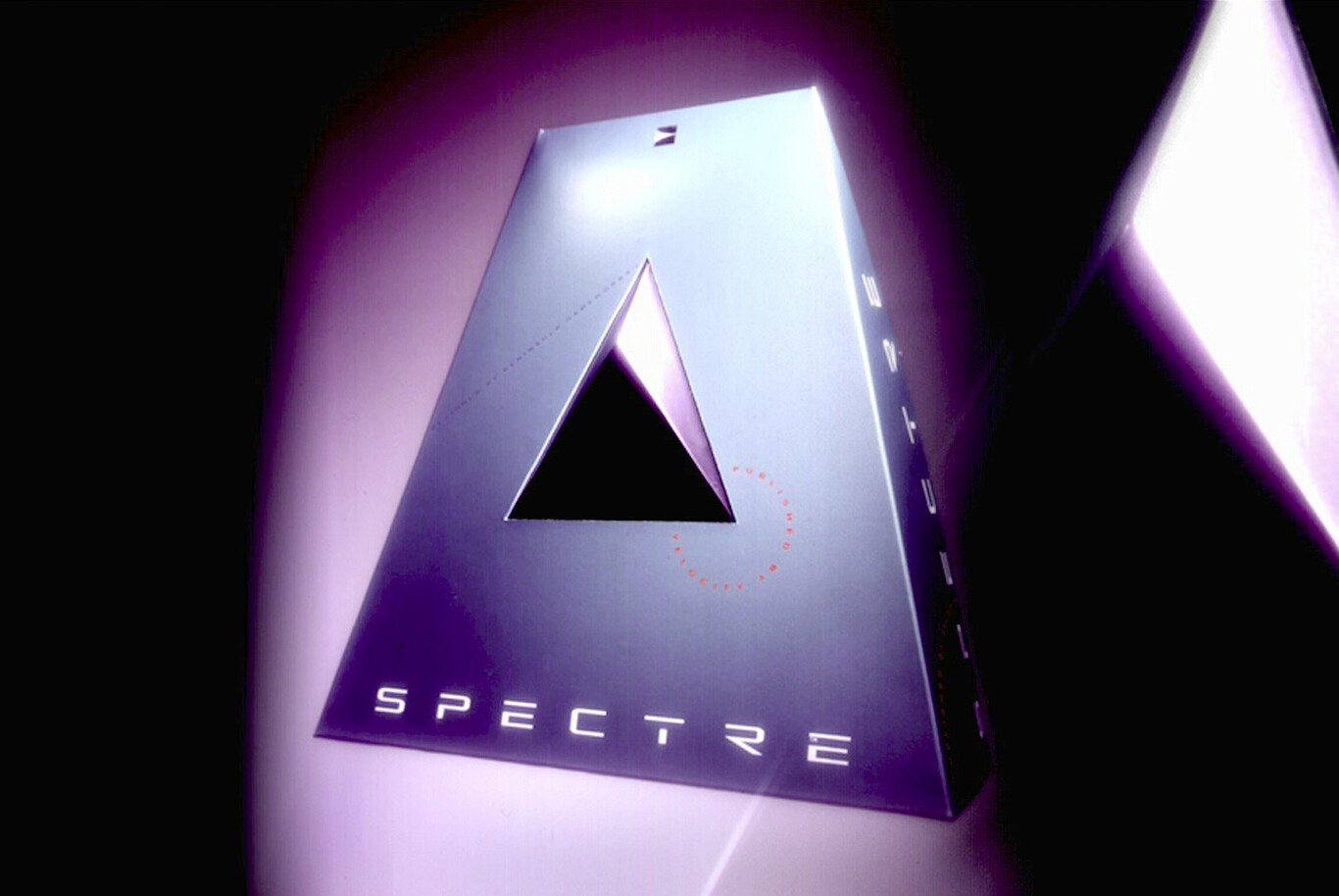
This was an investment that everyone was willing to make because, until the tables began to turn, it was almost always worth it. Unfortunately the winds of change were near and, with the arrival of CD , the market grew more than those boxes could control.
The change in the shelves
The explosion of the software and video game industry caused the number of products launched to grow in a beastly way in the mid-90s and, aware of the extent to which they could not reach everything, stores began to question what products they put or not on their shelves.
With more options and shorter sales cycles due to constant news, the way games were sold, both from the creator’s and the shopkeeper’s point of view, began to change. More units had to be sold in less time .
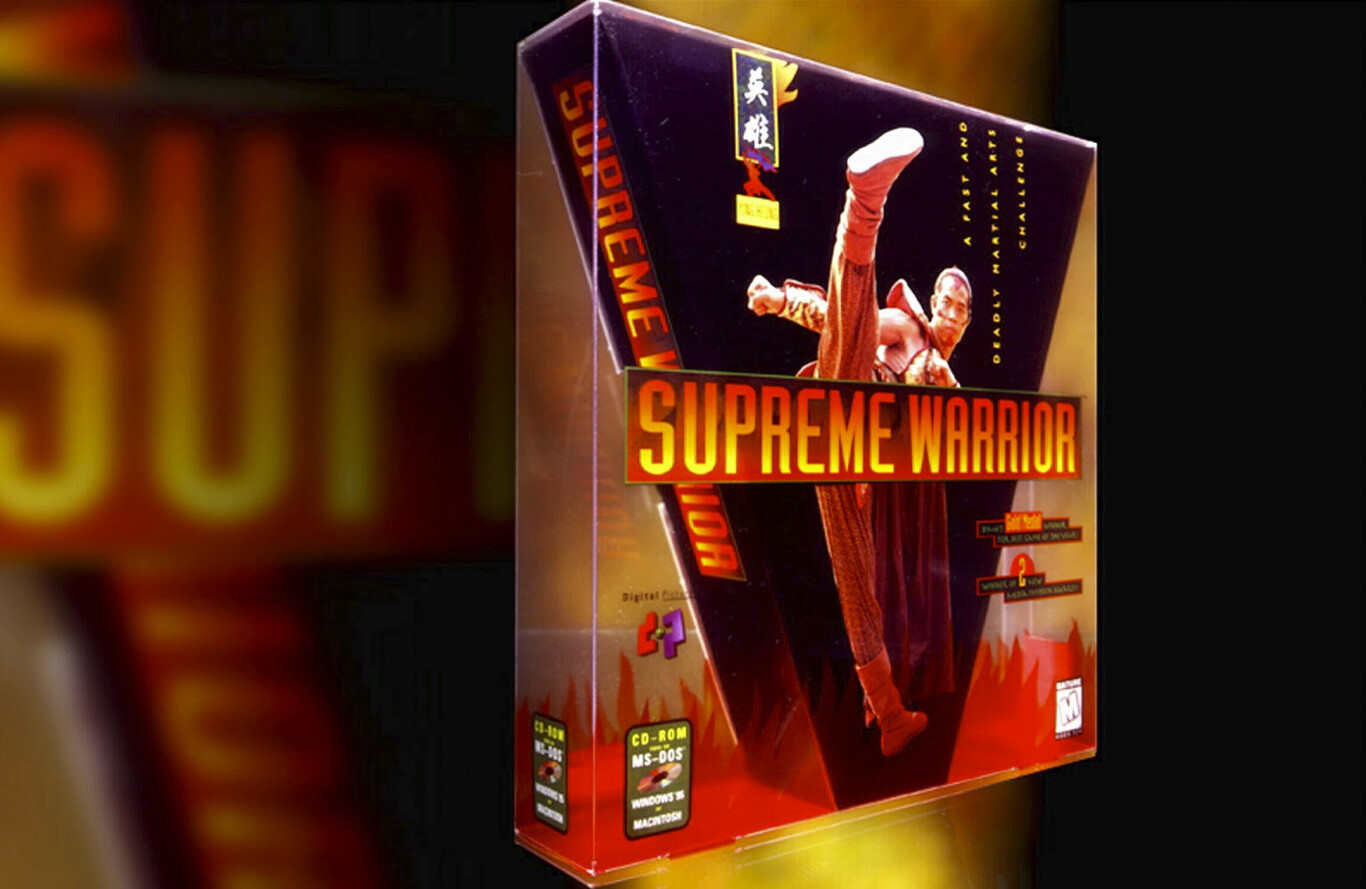
The first chose to change strategy and, instead of promoting the product once on the shelf, decided to preheat the environment so that stores wanted to make room for that product that everyone was talking about. The hype industry was just born . And the second simply followed a trend that was increasingly inevitable: more conventional designs offered more shelf space for new products.
The result was a collaboration between Yeo and the industry that, despite timid and remarkable work that sought to adapt to the new standard, continued for a few more years. In fact, the creation of the boxes for the PS2 games was even considered, but the project was discarded and the work of the design genius with the video game industry came to a halt.
Hock Wah Yeo became a legend, his boxes a museum piece desired by collectors, and his legacy a history lesson that tells us through elaborate cardboard pieces how the video game industry transformed into what is today. In the end, all changes, for better or for worse, mean leaving great things behind .
Now that it’s been a few days, I can talk about the big twist in this article: Yeo was also working on a prototype for a PlayStation 2 case design for Sony
It was canceled for cost/practical reasons, but look at this! It’s like the game is so extreme it’s escaping from the box pic.twitter.com/WpeBBvIwGB
— Phil Salvador (@itstheshadsy)
Images | Yeo Design