Thecircumcision alterdrasticallythe penis microbiome, changes that could explain why this practice offers protection against HIV and other viral infections. This is what can be deduced from a study that has just been publishedmBio, open access journal of the American Society for Microbiology.
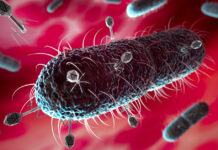
The researchers looked at the effects of adult male circumcision on the types of bacteria that live under the foreskin before and after circumcision. One year after surgery,the total bacteria load in this area had been significantly reduced. In general, the prevalence of anaerobic bacteria, which thrive in places with limited oxygen, was reduced whileslightly increased numbers of some aerobic bacteria, they need oxygen.
“It’s like breaking down a rock and seeing the ecosystems change:the foreskin has been removed and the amount of oxygen is increasing and the humidity is decreasingIn other words, we are changing the ecosystem “, explains Lance Price, co-author of the work and researcher at the Institute for Research in Translational Genomics (Tgen) in Flagstaff, in Arizona (USA).Randomized controlled trials indicate that circumcision reduces the risk of HIV infection in men by between 50 and 60 percentand lowers the chances of infection with human papillomavirus (HPV) and herpes simplex virus type 2, but the biology behind these benefits is not fully understood. It could be that the anatomy of the circumcised penis helps prevent infection, or it could be that changes in the microbiome confer protection, or even a combination of the two.
Drawing on swab samples from a large circumcision trial in Uganda, Price and his colleagues compared samples from uncircumcised men with those from circumcised men that were taken both before the procedure and after a year. At first, the microbiota of the two groups of men was comparable. But a year after their operation, the bacterial load in circumcised individuals was much higher than in the rest. Some of these organisms that declined could be causing inflammation, and their absence would prevent certain diseases from being contracted.