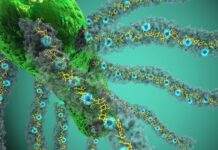
Using tiny, nano-sized diamonds to transport drugs to the tumor couldimprove the results of chemotherapy treatments used to fight cancer, according to a study published by the journalScience Translational Medicineis.
Dean Ho and his colleagues at Northwestern University (USA) conducted a series of tests in mice with kidney and breast cancer, normally resistant to chemotherapy treatment. And they found that hitherto lethal high doses of an antineoplastic drug,doxorubicin, were not toxic when administered together withnanodiamantes. And, most importantly, they gotsubstantially reduce the size of tumorsespecially when the cancer had metastasized and spread throughout the body. In addition, everything indicates that, administered in this way,the drug does not elicit an immune responsenor does it increase liver function to evacuate toxins, nor does it adversely affect the count of white blood cells, normally the cells most vulnerable to chemotherapy.
The authors conclude that with tiny diamonds, between 2 and 8 nanometers,the drug stays in the bloodstream longer – up to 10 times longer – and only binds to cancer cells, without damaging the healthy ones. “This is the first work to demonstrate the importance and potential conduction capacity of nanodiamonds in the treatment of cancer resistant to chemotherapy,” concludes Ho.