Wifi stands for “wireless fidelity” and refers to certain types of wireless local area networks, or WLANs (as opposed to LANs, or computers that are networked with cables).
Any device you have with a wireless card (probably your laptop, phone, tablet, and e-reader) can connect to the internet via wifi. And what is a wireless card? It is basically like a modem but without a phone line. What is the difference between wifi and internet? Wi-Fi is the wireless network you connect to that allows you to access the Internet.
As a traveler, knowing where you can find Wi-Fi is key, because going online makes the travel experience that much easier. When you can get online, you can book a hostel, find directions, buy a plane ticket, catch up with friends, and share your photos on social media.
How to find Wifi access points
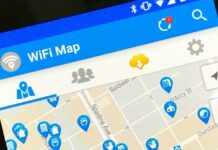
Wi-Fi access points are places where you can find Wi-Fi, free or paid. Airports are probably Wi-Fi hotspots, and many train stations, hotels, coffee shops, and bars have Wi-Fi hotspots. Internet cafes are rare, so don’t rely on using them while traveling.
You can log in to free Wi-Fi at hotspots where Wi-Fi is intentionally offered to the public at no charge; Some Wi-Fi networks are password protected and you must pay or otherwise have access to log in. In general, you can log in to the wifi paying with a credit card online; Your screen may open with a welcome page for the Wi-Fi provider, offering you payment options, if you are trying to log onto the Internet at a paid Wi-Fi hotspot.
A useful tip for when you travel is to download Foursquare. Many of the reviews and comments at different restaurants, cafes, and bars share the Wi-Fi password, which makes connecting online much less complicated.
How common is free wifi when traveling?
It definitely depends on the country you are traveling in and curiously whether you are traveling on a budget or not.
I have always found it quite strange that it is much easier to find a free Wi-Fi connection in a hostel than in a luxury hotel. If you’re a luxury traveler, then you’ll want to make sure you set aside part of your budget to go online, or resign yourself to going to McDonald’s or Starbucks every now and then to take advantage of their free Wi-Fi.
If you are traveling on a tight budget and staying in hostels, you will find that the vast majority of them have free Wi-Fi and that the speeds increase every year, so the connections will rarely be unusable.
Any exceptions? Oceania is a region of the world where Wi-Fi is slow and expensive. It’s rare to find free Wi-Fi in hostels in Australia, New Zealand, and elsewhere in the South Pacific. I even found a hostel in Australia that charged $ 18 for six hours of wifi!
Should you travel with a laptop?
There are pros and cons to taking your laptop with you when traveling, but for the most part, I recommend doing so. Booking flights, reading accommodation reviews, catching up on emails, watching movies, storing your photos… it’s all so much easier on a laptop than on a phone or tablet.
And yes, you can say that traveling with a laptop ruins the travel experience. Let travelers spend their downtime in hostels staring at a screen instead of chatting. But that is not going to change whether you travel with your laptop or not. And trust me, 90% of the travelers you’ll meet in hostels travel with a laptop, and there’s good reason for that. It’s convenient, it doesn’t have to be super heavy, and it makes getting things done online so much faster and easier.