Almost 50% of young people between the ages of 14 and 18 have ever been drunk. According to the ESTUDES survey, in many cases getting drunk is the goal in itself when going out on the weekend. Many of them are not aware of the effect that alcohol has on their body …
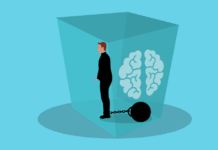
Alcohol alters our cognitive abilities, but how does it do it? Minimal alcohol concentrations, between 0.2 and 0.4 grams per liter, already significantly affect our attention span . We are less able to resist distractions, it is more difficult for us to shift our attention focus from one stimulus to another, and the ability to attend to several things at once is diminished. In addition, our perceptual and motor abilities are also reduced, taking more time to react to things that happen in the environment. On the other hand, alcohol causes us to have a false sense of security , underestimating the risks and making us more prone to aggressive behaviors.
And, how could it be otherwise, these changes transform us at the wheel. In fact, drunk driving is the best predictor of traffic accidents. This was described by an investigation carried out in Palma de Mallorca by the European Institute and Network for the Study of Risk Factors in Childhood and Adolescence. After evaluating more than 400 young people, they found that drinking alcohol increased the tendency to carry out risky behaviors, among which was taking the car while intoxicated . And it is that to handle a vehicle properly it is necessary to be in perfect cognitive conditions. It is necessary to perceive well the distances between cars, react quickly and accurately, remember the rules of the road, control yourself, be mentally flexible to assess different situations and make decisions adapted to each one.
But not only alcohol transforms us. Nowadays, the combination of alcohol and substances such as marijuana, cocaine or ecstasy is common . Of these other drugs, it has also been described that they alter the functioning of our brain, reducing our attention, memory and executive functions in a similar way to alcohol. In some cases, these effects remain even after a year of detoxification, which leads us to reflect on the powerful brain damage they cause and the need to compensate for this cognitive alteration with specific programs.
Marisa Fernández, Senior Neuropsychologist, Unobrain