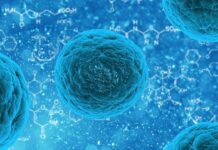
Scientists from the University of Oregon (USA) and the Oregon National Primate Research Centerhave for the first time reprogrammed human skin cells to obtain embryonic stem cellscapable of transforming into any other cell in the body. The authors of the work are convinced that the therapies with these cells will make it possible to replace damaged cells in different organs and treat Parkinson’s disease, multiple sclerosis, heart disease and spinal cord damage, among other pathologies.
The scientific milestone, announced in the magazineCell, it has been possible usingsomatic cell nuclear transfer technique(SCNT, for its acronym in English) that was used to obtain Dolly the sheep, the first cloned mammal in history. The technique involves transplanting the nucleus of an adult cell, with the DNA of a donor individual, into an egg from which the genetic material has previously been extracted. From the latter, stem cells are obtained that can give rise, in turn, to liver cells, neurons or heart cells that “would not be rejected by the patient during a transplant, since they contain the same genetic material”, as scientists clarify. It’s about abreakthrough for regenerative medicinewhich, in addition, avoids some ethical problems, since it does not imply the controversial use of fertilized embryos. The technique was initially developed in monkeys and later applied to human cells.
The new method can be considered a valid technique to clone stem cells (therapeutic clonation) but a priori it would not serve to create human clones (reproductive cloning). “Our research is aimed at generating stem cells to fight diseases; not only is human cloning not our goal, but we also do not believe that it is possible using this method,” said Shoukhrat Mitalipov, head of the study.