The central highlands of Iceland are a special place – high ground formed by volcanic eruptions thousands of years ago. The terrain is famous for how complicated it is; during winter access to the highlands is restricted unless you are traveling with a tour company that has a vehicle certified to drive on F roads during winter. But when summer rolls around, the roads are open (although a four-wheel drive car is always recommended, given Iceland’s unpredictable weather patterns). You will find Landmannalaugar hidden in the Southern Highlands within the Fjallabak Nature Reserve.
The region is shrouded in mountain ranges and physical reminders of Iceland’s volcanic history – Landmannalaugar proper sits next to the Laugahraun lava field, which is filled with black lava rock like an eruption in 1477.
You can certainly sample the vast geologies of the region in one day, but if you really want to explore this region, be sure to reserve two or three days. There are also bus tours that will take you to some of the most iconic sights, if you don’t mind sightseeing with a crowd.
Story
The Landmannalaugar region has long been known for its hiking opportunities, but is equally famous for its hot springs, which serve as the perfect rest stop for tired legs. At first, those who enjoyed the local hot springs were the original settlers from Iceland crossing the mountainous Central Highlands. Today, you’ll find a mix of locals and visitors passing by, mostly during the summer months.
How to get there
From Reykjavik, you have a three-hour drive ahead of you, mostly along Route 1 until you reach Landmannaleið. If you are looking for the scenic route, plan your trip along a road called Sigölduleið. You’ll see the greatest variety of sights along the way, from hot springs to a lake called Bláhylur inside a volcanic crater. For the best views, the F208 off Route 1 will never disappoint, but it is the hardest to navigate, terrain-wise.
This region is best to visit when heading from Reykjavik along the south, as it is roughly the same travel time from Vík and Glacier Lagoon along the east coast of the island. Plan a visit to Landmannalaugar on your way north and you’ll spend a lot more time in the car.
What to expect
The Landmannalaugar area is filled with mountains of rhyolite, a rare form of rock that emits an astonishing spectrum of colors, from red and pink to blue and gold. This is truly a hiker’s paradise, so bring proper footwear. Expect to see fields of ancient magma formations, hot springs, valleys, a waterfall, craters, and volcanoes during your time in the area.
Things to do in Landmannalaugar
Landmannalaugar was made for hiking. The trails vary from a few hours to several days; If you opt for the latter, be sure to pack the right supplies for the ever-changing temperatures. Laugavegur is a multi-day hike that will take you through volcanoes, rivers, canyons, and colorful hillsides before reaching the famous Thorsmork area. There are cabins and cabins along the way to sleep. If you want to stay near a lake, take the four-day hike from Landmannalaugar to Lake Álfavatn.
For something shorter, check out the hikes to Hrafntinnusker, a giant mountain in the highlands. It will take you between three and four hours to hike the seven and a half mile trail. The hike to Lake Frostastadavatn is another short one with rewarding views. The KimKim trip planning website is a great resource for more hikes in the Landmannalaugar area.
If you’re looking for the best view of the region’s colorful slopes, don’t miss Brandsgil Canyon. Ljótipollur, which means “Ugly Puddle,” is another brilliant landmark: it’s a red crater that certainly doesn’t live up to its name.
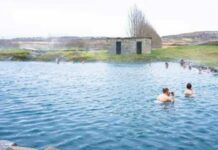
Hot springs are also popular attractions in this area. Don’t miss the springs along the edge of the Laugahraun lava field. Here you will also find the only accommodation in the area (more on that later).
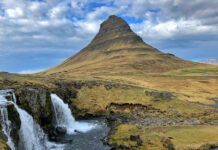
If waterfalls are on your must-see list, Landmannalaugar doesn’t disappoint. Visit Ófærufoss, which is located near the popular Eldgjá fissure, also known as the ‘Canyon of Fire’.
What to do nearby
If you are traveling from or around Selfoss, choose to drive through Thingvellir National Park, the historic site of Iceland’s parliament from the 10th to 18th centuries, to reach the Landmannalaugar region. On this route, you can stop at Gulfoss, Geysir, Silfra Fissure, Laugarvatn, Oxararfoss and explore field after field of lava formations. From the Thingvellir National Park entrance, it is about a three hour drive.
Where to stay
If you are hiking, there are cabins located along some of the most popular trails for a comfortable sleep. There is a mountain hut run by a group called Ferðafélag Íslands, but book months in advance. You can read more about the rates and the reservation process on the accommodation website.