The news has caught us a bit of surprise and we still do not know where the shot will go, but it will bring a tail: Sony has stopped distributing the 500 GB model of PlayStation 3 in recent weeks, sending only the most modest 12GB alternative. At this point, the possibilities are twofold: that we are witnessing the drastic end of a console that went on sale less than nine years ago, or that the Japanese company is planning some revision that allows it to remain competitive as an economical alternative to the fighting cocks of the new generation.
If the path taken were the second, I doubt that anyone would be surprised, because Sony already has a long history of making plays of this type, even in the generational discount time. In fact, this commercial movement has been one of the most distinctive of the PlayStation brand since its first console received an update, introducing changes that have moved between the aesthetic and the functional to keep the product fresh, risking in some cases with decisions that have caused a certain degree of controversy. Whether or not this is what awaits PlayStation 3, the excuse seems perfect to review the way in which Sony has been mutating its machines over time.
De PlayStation a PSone
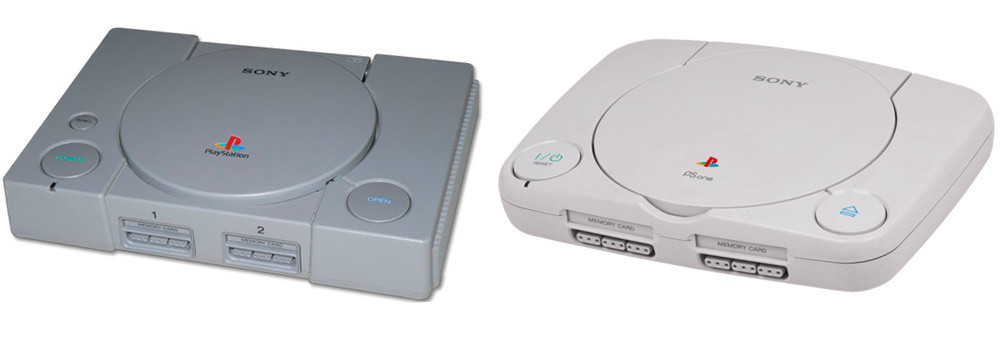
When Sony launched the PSone in 2000, six years after the release of its first successful console, we weren’t as used to seeing a home machine receiving these kinds of reviews as we are today; Currently, as we well know, it is an almost essential movement. This renewed edition arrived at the same time as PlayStation 2 and allowed it to endure four more years in the market with ease, even though its successor offered a juicy backward compatibility option that made the coexistence of both machines somewhat unnecessary.
PSone drastically reduced the bulky body of the original PlayStation, lightening the grayish hue of its case and making its design more streamlined (although in my opinion with a little less personality and impact). Along the way, the reset button (shared function with the on / off button), as well as the serial and parallel ports, were also lost; it also became more resistant to piracy measures and modified its graphical interface.
De PlayStation 2 a Slim
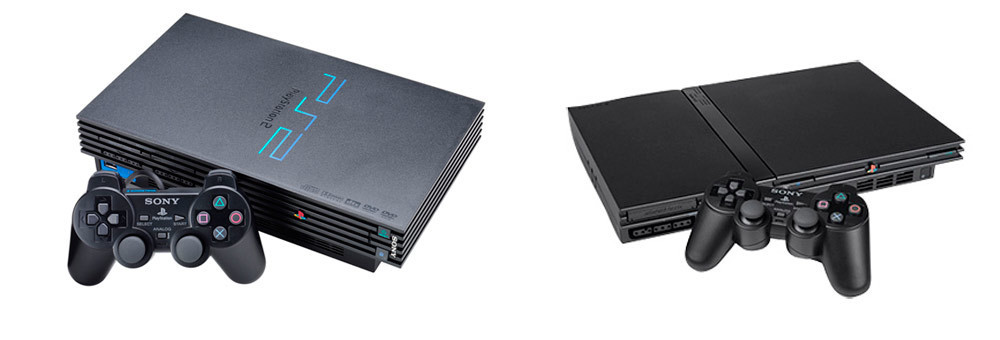
If the play went well the first time, why not try again? PlayStation 2 came to the world in 2000 and swept everything in its path, a triumphant march to which the Slim line also contributed four years after its premiere, a nomenclature that has been common since then to officially or colloquially baptize reissues. of consoles, even in other brands.
As the name suggests, with Slim, a severe diet was applied to Sony’s second home console, leaving it at just a fraction of what was the voluminous original PlayStation 2. It also did so without losing much of its appeal, becoming quieter and even including an Ethernet port from the outset, although sacrificing its expansion bay, a reason for complaint by those users who wanted to install an internal hard drive, and removing the power supply. outside the body of the console. Over time it continued to receive other minor modifications to its hardware.
From PSP to PSP Go, passing several boxes
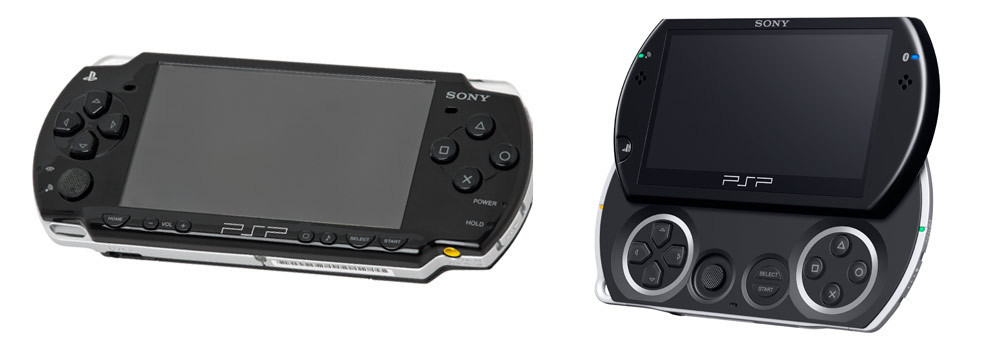
The changes made to a home console are interesting, but they are not at all as crucial as on a laptop. Probably for this reason, PSP is the member of the PlayStation family that underwent the most changes during its period of existence, with up to five major iterations breaking into stores that in turn received numerous occasional updates.
The first PSP arrived in 2004, receiving three years later the revision cataloged as PSP-2000 to become lighter and bring some joys such as an expanded internal memory or video output; a year later, the PSP-3000 made major improvements to the screen and incorporated a microphone. In 2009, the risky PSP Go model was launched, without a UMD reader and aimed at acquiring games in digital format, a proposal perhaps too far ahead of its time. As the last blow of effect before disappearing, PSP-E1000 arrived in 2011 serving as an economical edition for PAL territories, dispensing with Wi-Fi and stereo speakers.
From PlayStation 3 to Slim and then to Super Slim
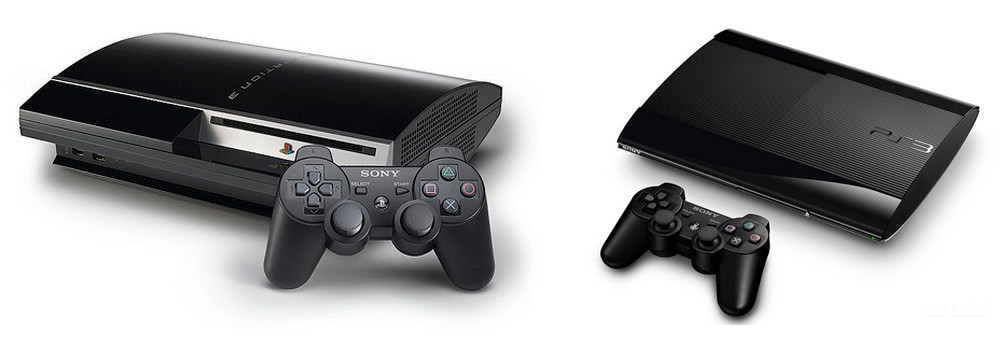
Knowing the background, it was logical to expect that PlayStation 3 would receive its pertinent overhaul sooner or later, although in this case the Japanese company took it a bit more quickly than usual and had time to produce up to two major changes. The first Slim revision came in 2009, three years after the original model, and in 2012 the even smaller Super Slim took the initiative.
In addition to reducing its size by several sizes, these revisions have made it possible to obtain more energy efficient models and have even altered the way the discs were inserted into the console. With them, a multitude of internal storage configurations have also arrived, with so many options to choose from between 12 and 500 GB that we could dedicate an entire article to the matter. Will we see yet another review now that the higher-end modalities are disappearing?
De PSP Vita PCH-1000 a PCH-2000
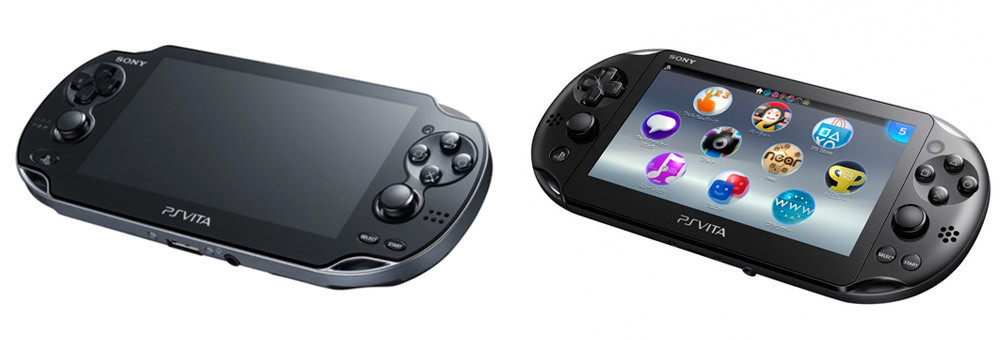
And finally we have the case of PS Vita, a console for which a movement very similar to those seen on PSP has been made. After putting the genuine mode on sale in 2011, Sony released an update labeled PCH-2000 just two years later, thus seeking to breathe some life into a console that is not performing all that its creators would like.
This revision improved practically everything that could be improved on the original model: it was thinner, lighter, with more autonomy and had more internal storage. If the trend followed at the time with PSP continues, I would not be surprised if some more revision (PCH-3000?) Is announced in a while, although the problems to be solved with this system really are other.
| Do we need 4K consoles in 2015?