When a video game is successful, the normal and logical thing is that -at least- it has a sequel. But the case of Super Mario Bros. is truly exceptional: the NES classic and undisputed seller of 8-bit desktops had two second parts . Both officers. And the best thing is that they do not resemble each other at all.
Let’s put ourselves in context: today we all have more or less internalized the experience and the ingredients that games starring the Nintendo superstar should offer, but in 1986 these concepts and common areas were still to be defined.
Giving them shape and strong pillars capable of sustaining a video game saga was and continues to be a true responsibility, considering that Mario had to be the standard -bearer of a company that was in full swing internationally. Conquering section by section an American territory devastated by the fall of Atari.
In fact, after the enormous shock caused by Super Mario Bros. , the legendary Shigeru Miyamoto rejected the idea of being conformist: it was not enough to continue the original game through a sequel, he had to overcome it! On the one hand, given his creative spirit, his innate curiosity and his perfectionist nature.
But also because Super Mario Bros. 2 was called to be the definitive ambassador of the Famicom Disk System , the revolutionary 8-bit diskette reader in Japan.
From arcades, floppy disks, and the challenge of creating the sequel to Super Mario Bros.
At this point we must make a mandatory clause: the Famicom (the equivalent of the NES in Japan) went on sale in the country of the rising sun in 1983. Eventually, instead of giving the baton to your hardware, and Seeing the growing commercial success and its growing software catalog, it decided to expand its capacity and popularity with an add-on capable of reading double-sided floppy disks: the Famicom Disk System.
In fact, this initiative was already underway by the time the NES landed in the West. As Miyamoto himself would say many years later, the Super Mario Bros. game was designed to be the grand culmination of the cartridge Famicom itself. The pre-launch clasp for the floppy drive.
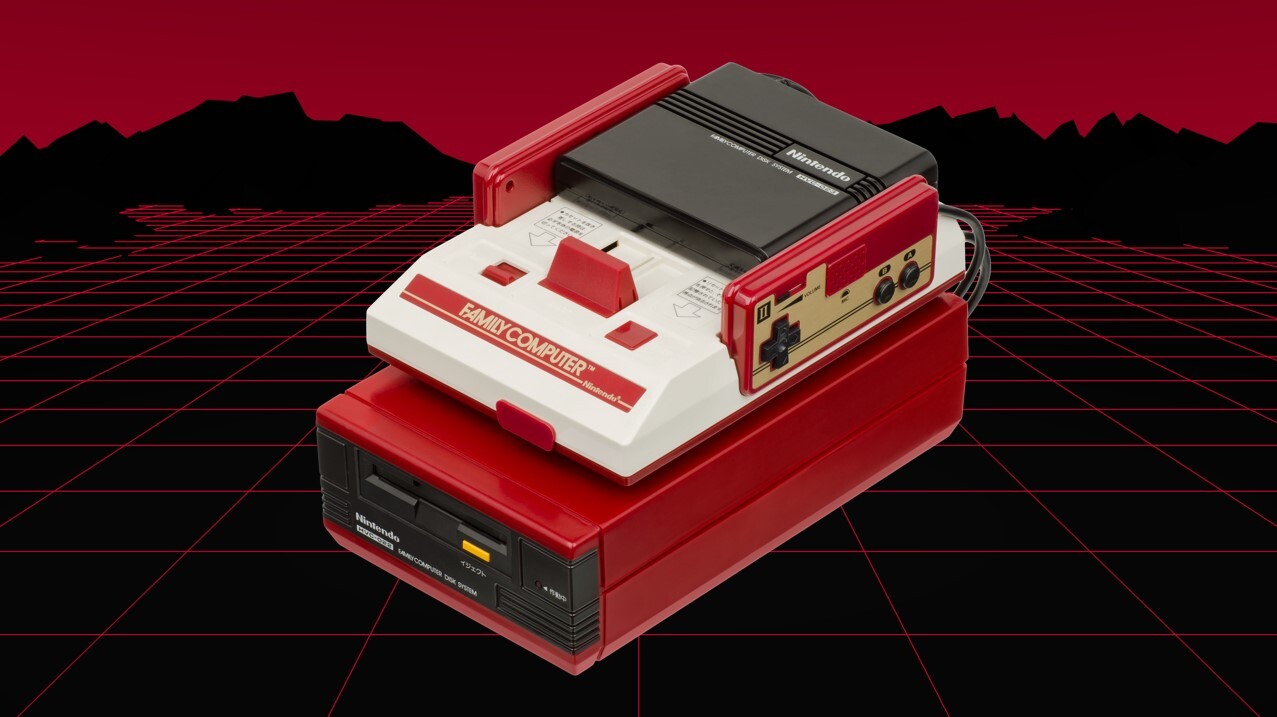
The Famicom Disk System served as the base for the console and connected via the game slot
The reasons for this move were many, but the most interesting of all was the reduction when it came to producing games and, consequently, when setting their prices on the shelves: if a cartridge game cost about 6,000 yen, in floppy disk the amount was around 3,000 yen. Something as attractive to the consumer as it is to software producers.
Logically, the new format and price are not as big claims as may be the game s own. And Nintendo shielded its initiative with an initial batch of brutal titles that included four sports alternatives (Baseball, Golf, Soccer and Tennis), a The Legend of Zelda called to make history and the sequel that would capture all the attention around the Famicom Disk System : Super Mario Bros. 2.
On paper, it is a very well thought out plan. In practice, the challenge for Nintendo and its development teams was beyond the hardware: what must the sequel to Super Mario Bros. 2 offer to live up to expectations?
Luckily, Miyamoto always has a great idea in his pocket and his inspiration is terribly contagious. And while Mario and Luigi started getting into trouble at arcade games, it makes perfect sense that the germ for the sequel also comes from arcade halls.
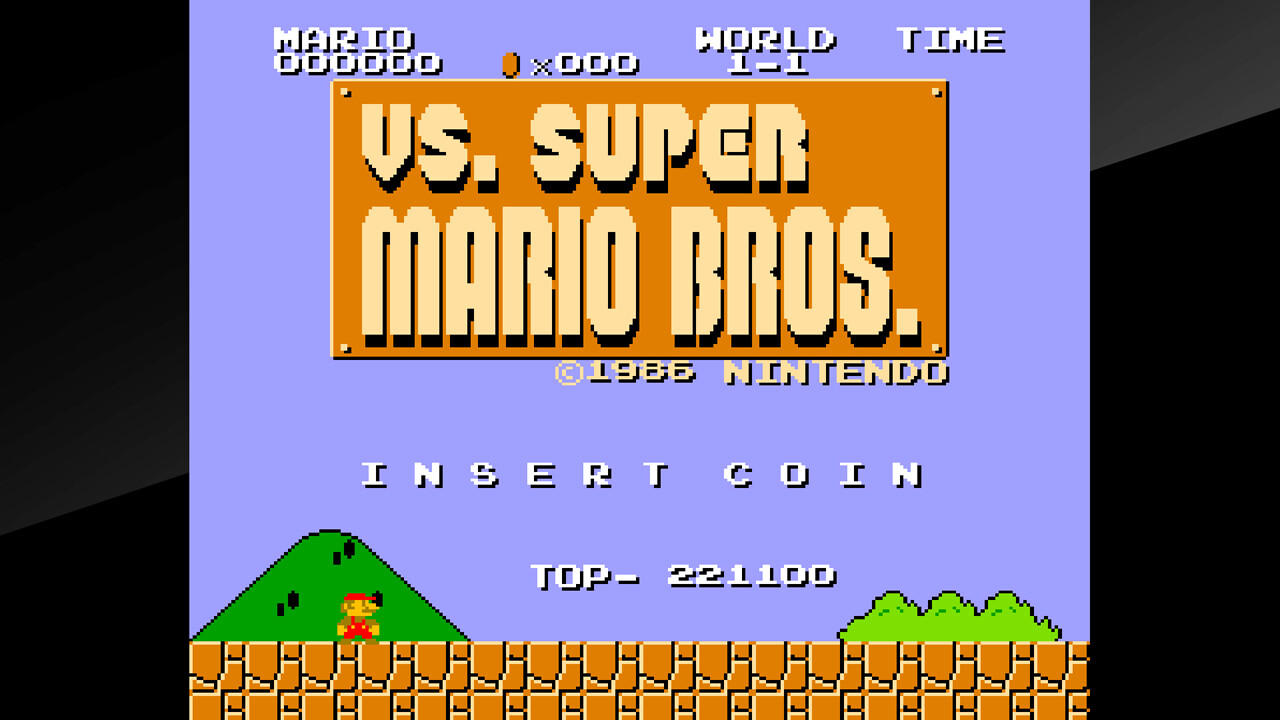
VS. Super Mario Bros., the arcade adaptation of the NES classic
Following the success of Super Mario Bros. , Nintendo produced in 1986 a somewhat different and tailored version of the Famicom and NES arcade classic called VS. Super Mario Bros. Which, by the way, has been rescued for the Nintendo Switch eShop.
The way they redesigned those levels, now iconic, as they were then made them wonder how interesting it would be to design more difficult phases. Or rather, much more challenging. A Super Mario Bros. created for Super Players . That will be the main focus of Super Mario Bros. 2.
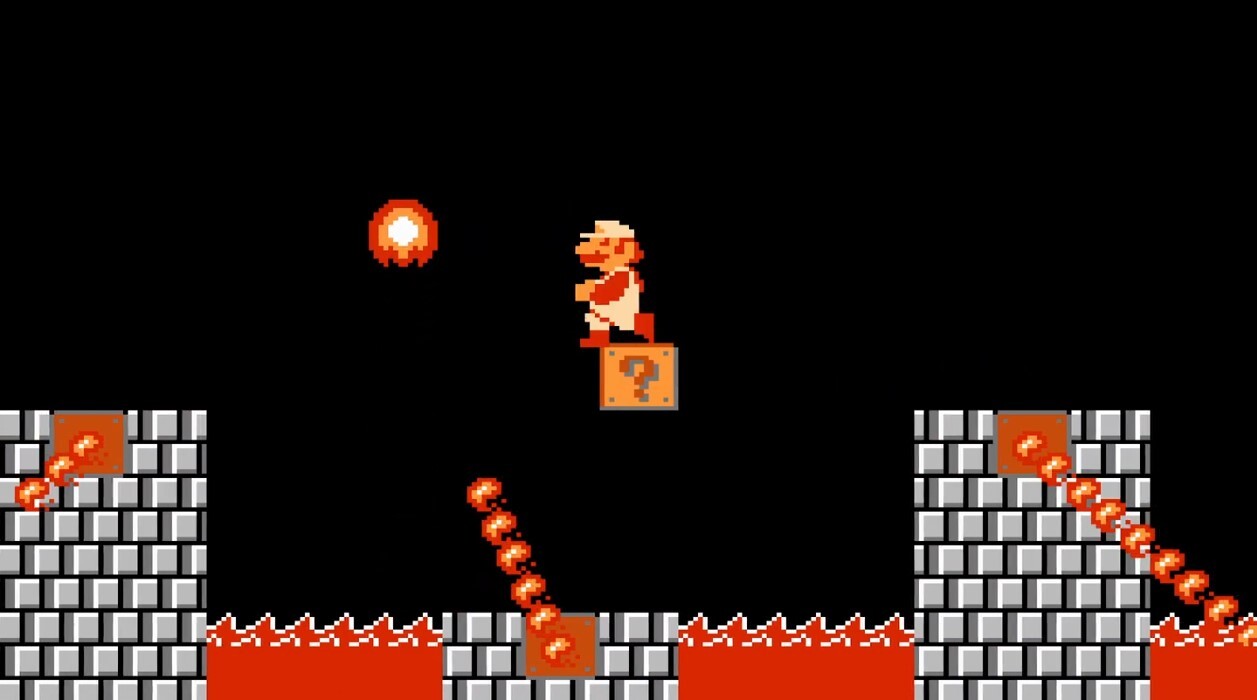
Playing Mario Bros. means avoiding a thousand dangers so that a Toad will receive us at the end of the castle
Logically, those who had not played the original Super Mario Bros. would encounter a barrier of playability and terrible difficulty. But the goal of Miyamoto and his team was already determined to offer the ultimate challenge to the fans of their superstar.
Super Mario Bros. 2: The Lost Levels, a sequel to “Super Players”
At first glance it might seem that there are hardly any visual differences between Super Mario Bros. 2 and the original Famicom and NES. Control in hand things change drastically: that sequel was and continues to be demanding of the controls, its level design is Machiavellian and its enemies, even the most simpletons, are set to evil. There are even poisonous mushrooms!
Unquestionably, Super Mario Bros. 2 on the Famicom Disk System is one of the most difficult games on the NES, which is no small feat. But also one of the most interesting in terms of the legacy that will extend to the franchise: if at the design level it is terribly demanding, at the content level it is formidable, offering a total of 52 levels, most of them secret.
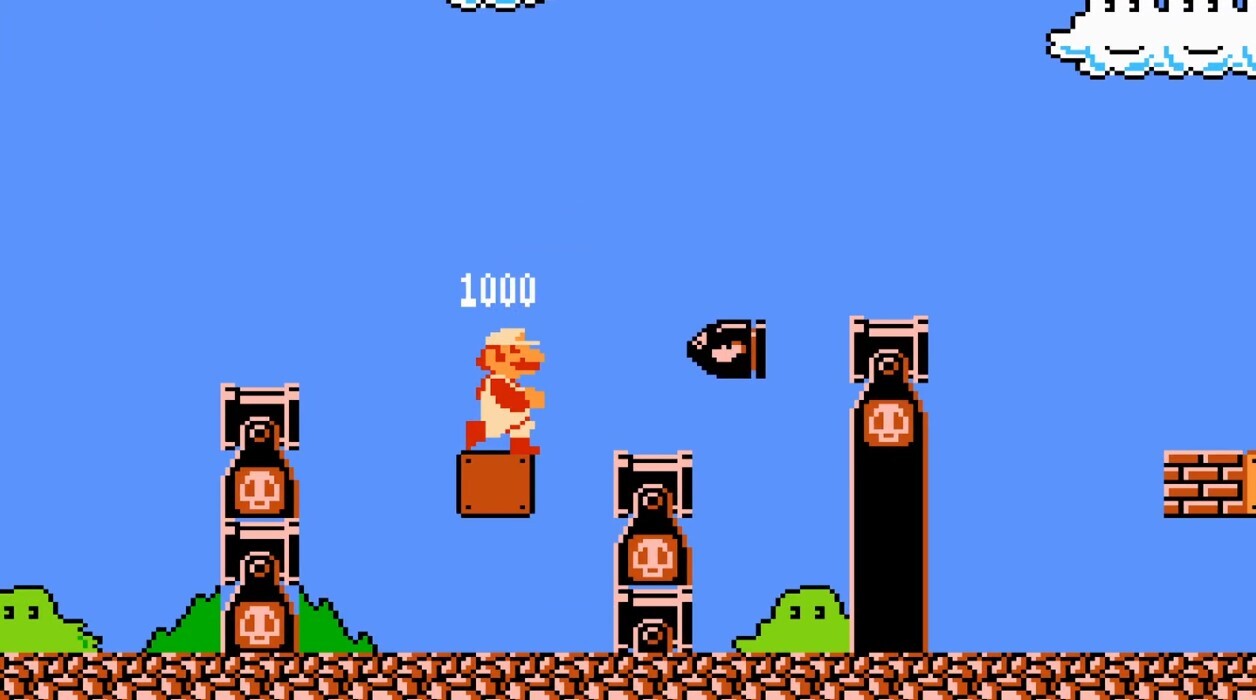
Everything in the Famicom Super Mario Bros. 2 is turned to evil
One of the most transgressive elements is that when completing level 8-4 and returning to the title screen, the game logo received a star . And the best thing is that it was not a simple ornament: by beating the game eight times (having eight stars) it was possible to access the parallel world and new levels. For reference, it is possible to collect up to 24 stars on the logo.
And not only that: Nintendo knew how to reward the most demanding players and encourage the rest to overcome the game with new secrets: if we complete the 32 levels of the eight worlds without skipping phases using secret pipes, we will unlock world 9. An extra world! That said, in Super Mario Bros. 2 there are also maliciously placed pipes that make us go back to previous phases.
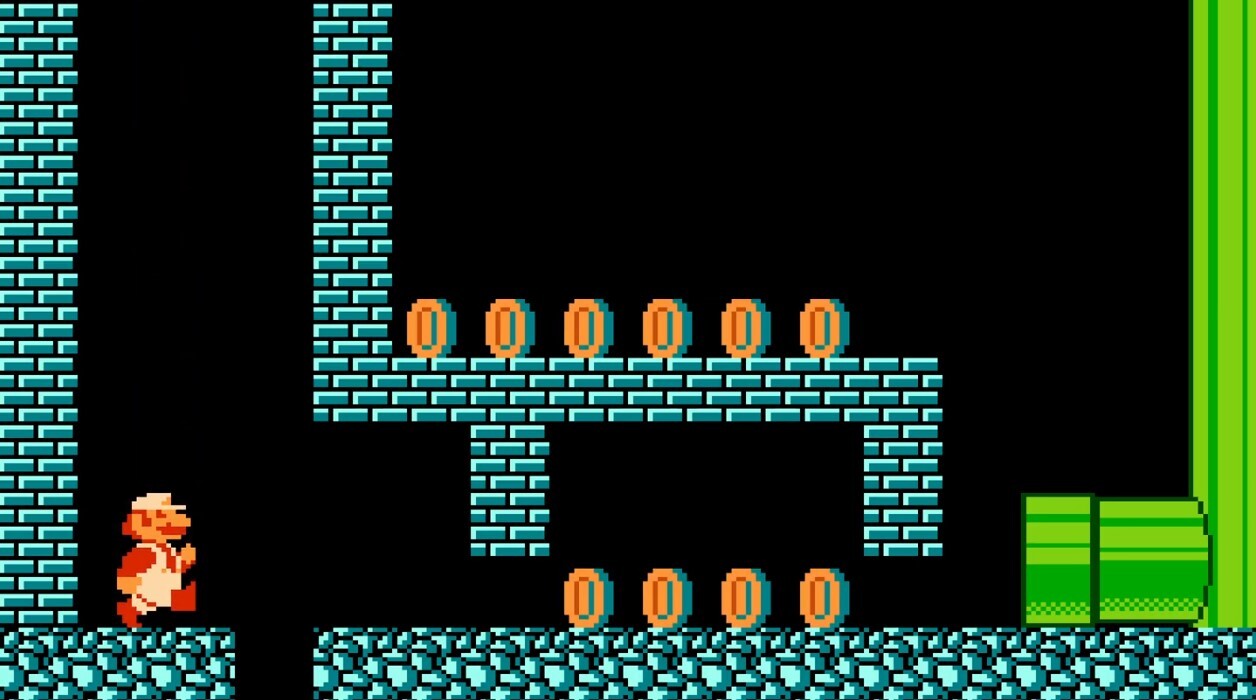
Even pipe shortcuts have fatal drops!
In a matter of secrets, the Japanese Super Mario Bros. 2 was very comfortable in content. But what about the news? At the end of the day, it can be said that the enemies are basically the same with modest exceptions, such as piranha plants of different colors and more aggressive behaviors. The truth is that Nintendo knew how to do the tasks.
From the start, and unlike the original, Super Mario Bros. 2 no longer offers the option of two players in relief. Instead, it offers two game modes. Or, rather, two characters:
- Mario moves practically the same as in Super Mario Bros. maintaining good jumping ability and well adjusted mobility.
- Now, Luigi was a different game experience : his jumps were greater but, in return, it was much more difficult for him to brake. That, as we will see, will become one of the character’s hallmarks.
Beyond the new tools and minor aesthetic elements (the mushrooms now had eyes and Princess Peach had a new sprite), new elements were also introduced that, in essence, increased the degree of challenge . In some phases the wind tested our ability to adapt to the platforms and many of the classic enemies became more dangerous or gained a variant with new capabilities.
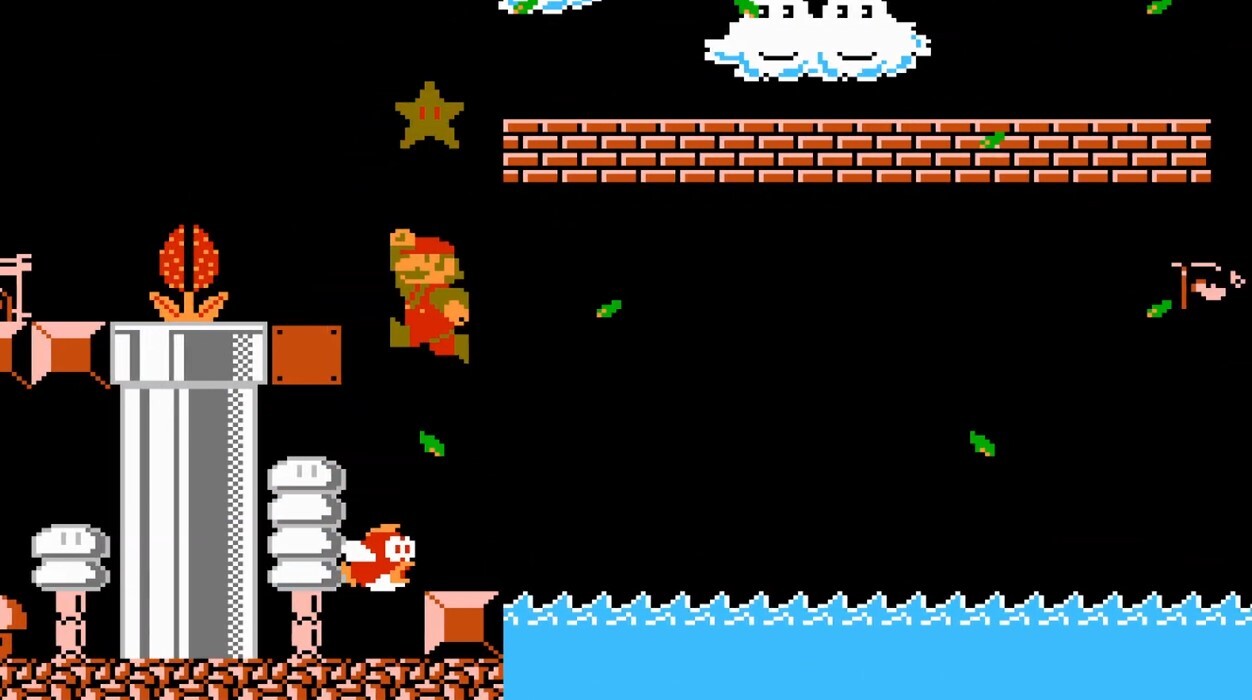
Not only do you have to be fine with the jumps: it is essential to pay attention to the entire screen
While the essence and each of the key aspects of the original Super Mario Bros. resonates strongly in its Japanese sequel, the set was a very different platform experience. Miyamoto had successfully managed to make that Super Mario for Super Players . That was coffee for the very coffee growers.
A game demanding enough at the controls that it did not come out on the western NES.
Super Mario Bros. 2: USA, a second part as original as it is innovative
The entire Nintendo of America team rubbed their hands when they learned that a Super Mario Bros. sequel was in development. Especially when its Japanese launch was scheduled for 1986. Let us remember that the NES began to be sold in the United States in 1985 and its reception had been exceptional.
An emotion that turned into mixed feelings when in 1987 the copy of Super Mario Bros. 2 finally arrived at Nintendo’s American headquarters: that sequel was not only very continuous visually, but it could be too frustrating for Western audiences.
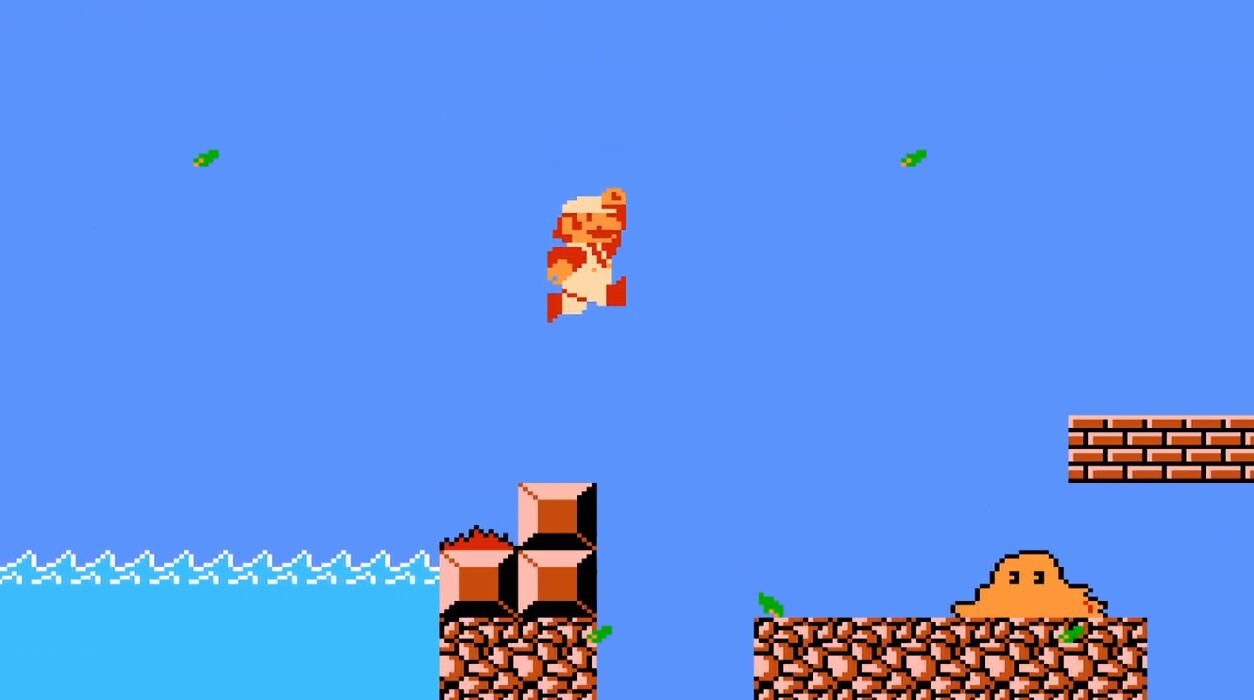
Much wind and few areas to fall. Bad match
At that time, Nintendo of America had a very peculiar figure: the Game Master . Kind of like a video game brewmaster. The Nintendo Game Master was Howard Phillips and his job was the dream of every child and adolescent: to play new video games and choose which ones will go on sale and what should change.
Curiously, the Super Mario Bros. 2 that Miyamoto and his team had launched in Japan months before did not pass the sieve of Phillips , who still has a bad memory of that contact, as can be read in the recent SMB2: Boss Fight Books by Jon Irwin.
As I continued to play, I discovered that Super Mario Bros. 2 kept asking me to take a leap of faith, and each of those leaps ended in the same way: I ended up dying instantly.
[Super Mario Bros. 2] was not a fun game. It was a punishment, an undeserved punishment. I let go of my controller, and was amazed that Mr. Miyamoto had chosen to design such a painful game.
Nintendo of America had a double problem : either it launched the sequel to Super Mario Bros. and exposed itself to its players experiencing the same sensations as Phillips, with their respective consequences at the brand level, or it made the no less delicate decision not to publish the game Mario game. Fortunately, there was a third alternative.
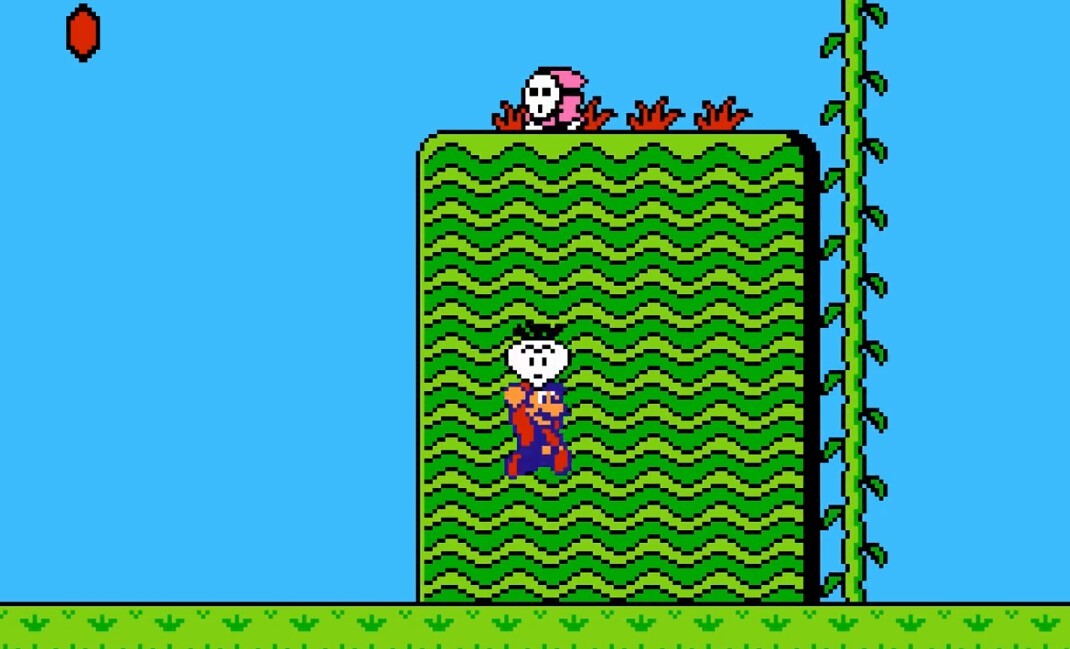
This is definitely not the Mushroom kingdom
We’ve talked at length about Nintendo’s way of working and how they approach their key projects and licenses:first settle the main idea or concept of the experienceand then they shape the game. Through this process, various prototypes and experiments are created, although, logically, these do not always end up on the shelves.
One of those prototypes was a two-player platformer proposal with an emphasis on vertical levels and item drops. In a way, and seen with perspective, an extension of the successful Donkey Kong formula through much more ambitious phases and worlds.
An idea that, perhaps, would have been discarded or forgotten had it not been for an express commission from Fuji Television.
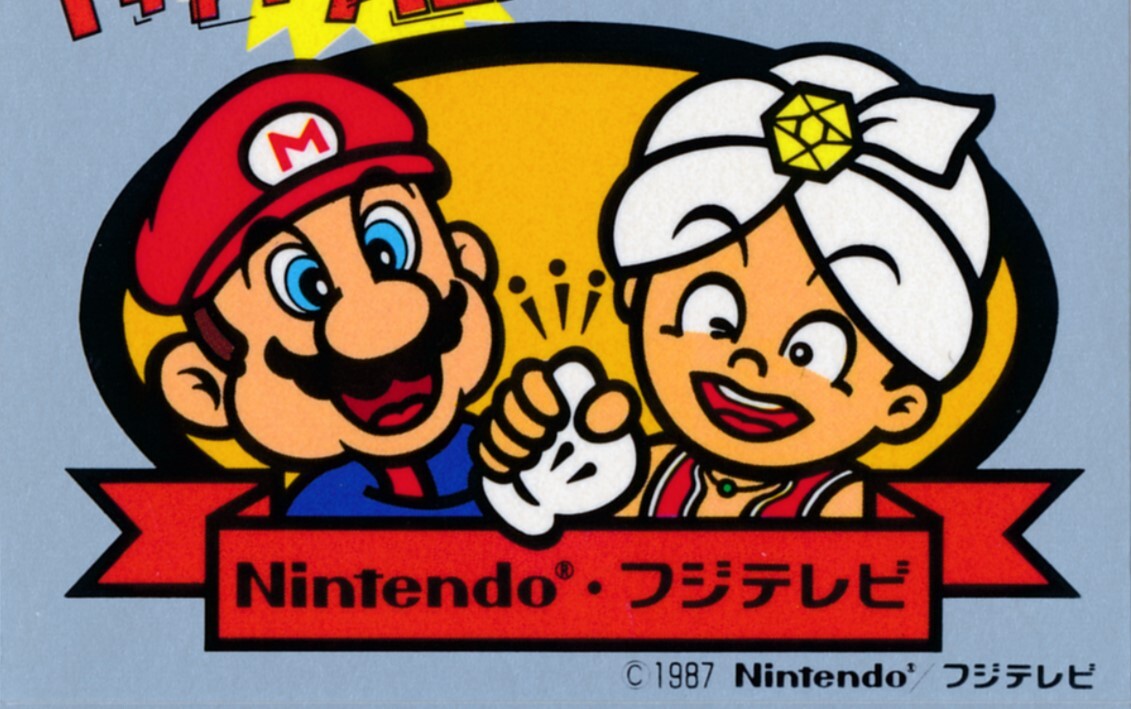
Nintendo and Fuji Television Join Forces for a New Famicom Video Game: Take Crossover!
In addition to their own licenses, at that time Nintendo and its creatives developed initiatives and video games based on well-known brands. So when Fuji proposed to make a game based on Yume Kōjō, the prototype and those platform ideas were rescued to shape Yume Kōjō: Doki Doki Panic.
A title that, by the way, will end up being one of the best-selling games on the Famicom Disk System.
In this way, in 1987 Nintendo of America had two problems: it needed a sequel to Super Mario Bros. with which to perpetuate the success of its newly released console and, on the other hand, there was a game that was working very well in Japan starring stars from Fuji Television. Characters completely unknown in the West.
Big problems, big solutions: why not turn Yume Kōjō: Doki Doki Panic into Super Mario Bros. 2 on the western NES? After all, it was relatively common at the time.
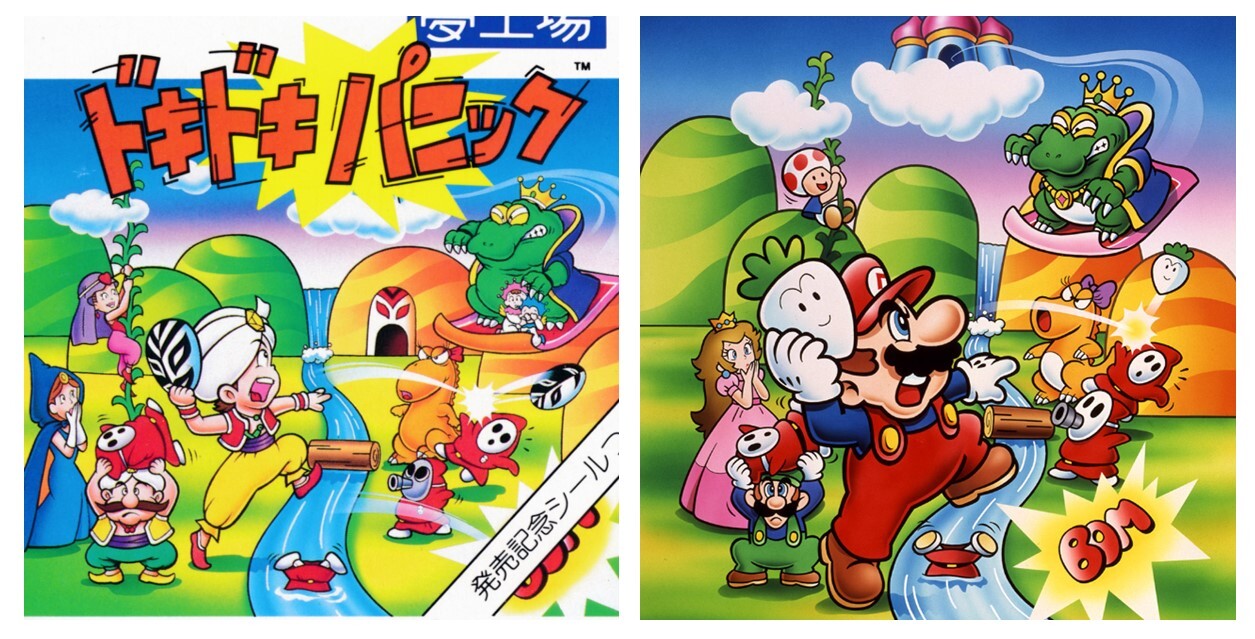
Nintendo redrawn even the cover of the original game
Nintendo of America made the great change: it replaced the characters of the Fuji with Mario, Luigi, Princess Peach and Toad, localized the game for the western eye and, in the process, took the opportunity to add small arrangements and subtle touches that would help bond with Super Mario Bros.
Of course, hiding – or, rather, recovering in health – affirming from the prologue of the game itself that the trip of our mustached hero to the exotic kingdom of Subcon was actually a dream.
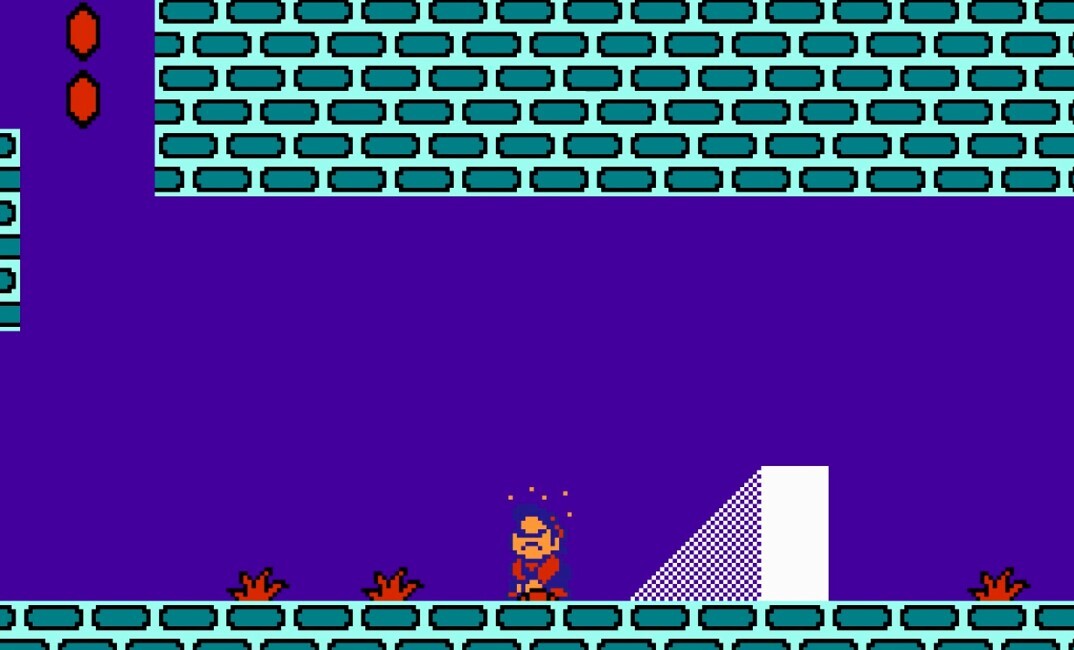
Mario pulling vegetables like Excalibur
As far as playable, and in fairness, that tailor-made sequel for the American NES was not out of step with the original Super Mario Bros. After all, and as we said, Nintendo had not defined or limited the playable universe of Mario. With what aspects such as that it was no longer possible to eliminate enemies by jumping on them were not a problem. And having to beat them by throwing vegetables at them either.
In fact, that Super Mario Bros. 2 gained whole points of depth thanks to an aspect that for many years made it unique within the saga: the player could choose a character at the beginning of each level and each hero had different characteristics:
|
Mario |
Luigi |
ToAD |
Princesa Peach |
|
|---|---|---|---|---|
 |
 |
 |
 |
|
|
jump |
☆☆☆☆ |
☆☆☆☆☆ |
☆☆ |
☆☆☆ |
|
Force |
☆☆☆☆ |
☆☆☆ |
☆☆☆☆☆ |
☆☆ |
|
velocity |
☆☆☆☆ |
☆☆☆ |
☆☆☆☆☆ |
☆☆ |
|
general |
Mario is the most balanced character, but he lacks special abilities. |
Luigi’s jump gives him an exceptional advantage, making up for his lack of speed. |
Toad is very fast and has great strength, but he needs to use the charged jump. |
The princess has the worst stats, but also a great advantage: she can float after a jump. |
In addition to this balance of skills that gave the player more nuances and the title with greater replayability, the western version of Super Mario Bros. 2 offered very interesting features, such as the ability to extract and throw objects or boost jumps.
And not only that: through potions we could make doors appear that lead us to the backstage of each phase.
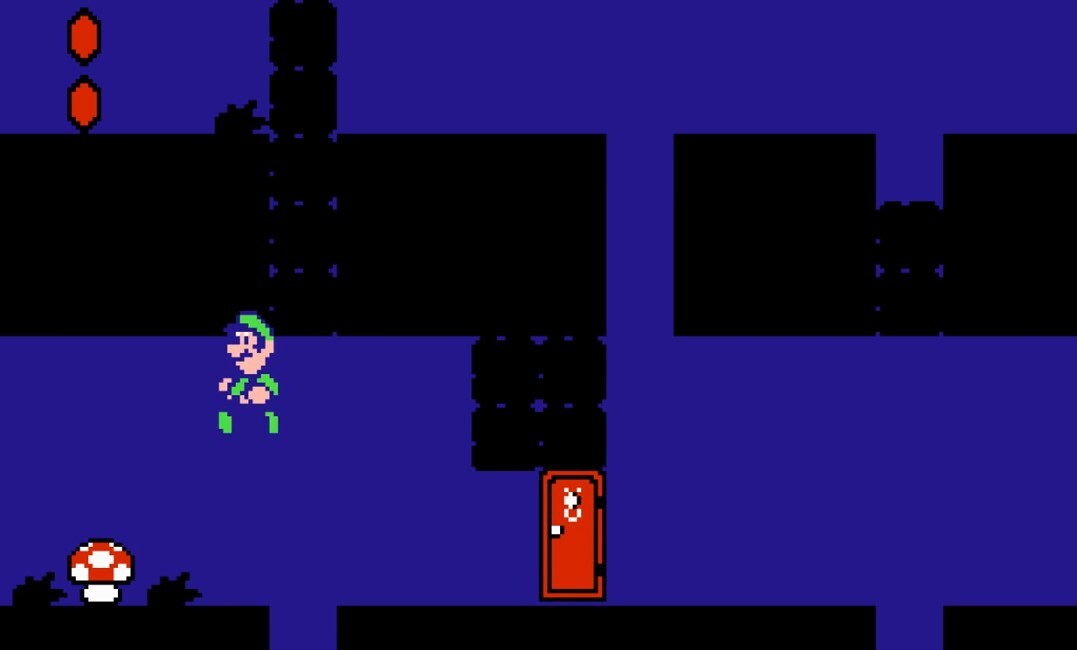
In SMB2 we could sneak into the other side of every stage
Ahead, seven worlds full of color and a huge leap in visual and technical quality compared to the original Super Mario Bros.. And what is better, being so different in key aspects, they could not be compared in an evolutionary way: either of the two could be your favorite.
While the launch of this Super Mario Bros. 2 was a true move to adapt to the circumstances on the part of Nintendo of America, the reception was great. Enough, to edit it in 1989 on European territory and, already in 1992, for Nintendo to publish it in Japan under a new name: Super Mario USA
So what is the real sequel to Super Mario Bros.?
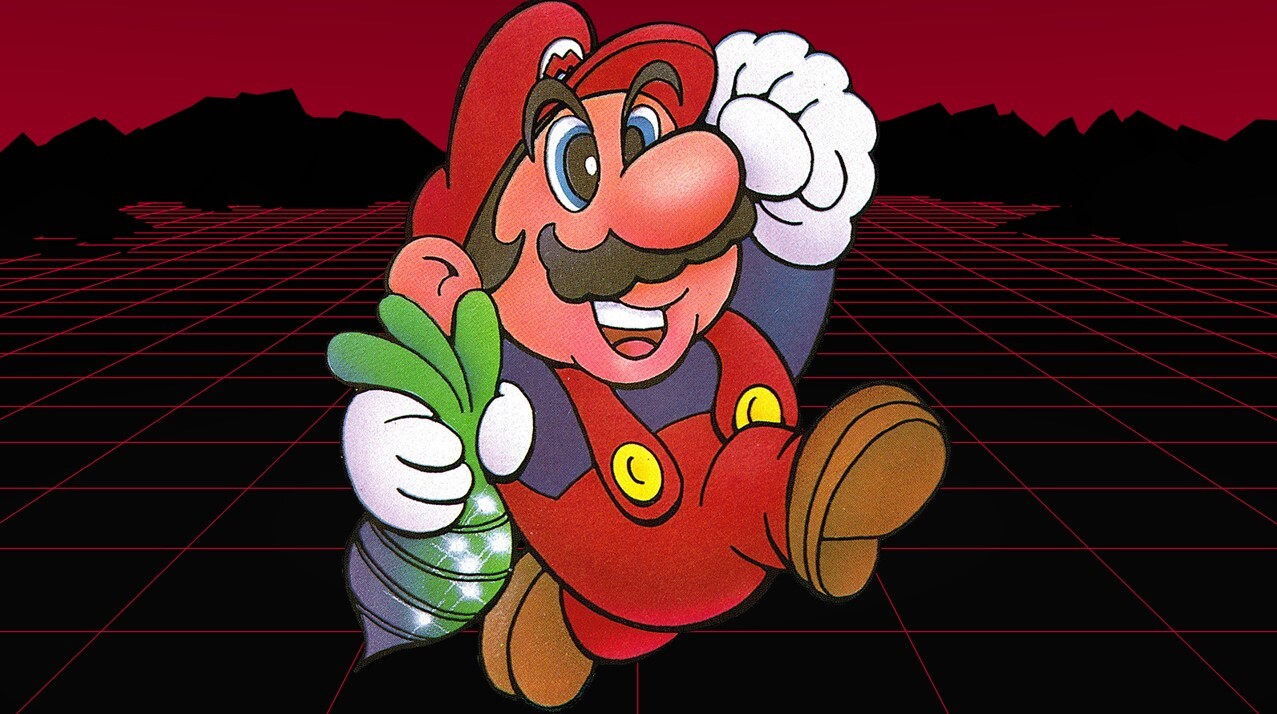
Nintendo of America made an epic turnaround a masterpiece. For years, players from half the planet enjoyed Super Mario Bros. 2 without knowing that it was the westernized version of the totally unknown Yume Kōjō: Doki Doki Panic. Without knowing the other sequel.
To the point where the first Super Mario animated series was totally inspired by it, retaining its enemies, worlds and characters. And no wonder: for half the world, literally, that was the official sequel to Nintendo.
However, and as expected, the saga did not stop there : while NES players from America and Europe rubbed their hands and began to leave their thumbs with that second part adapted and assembled to suit their tastes, in Japan already the best Nintendo 8-bit game was played: Super Mario Bros. 3.
The development of Super Mario Bros. 3 began in 1986, the same year in which the Japanese sequel was released, and its production lasted two years. A colossal amount of time for the epic. Of course, this was a blockbuster and its focus was very defined: completely reimagining the Super Mario Bros. saga.
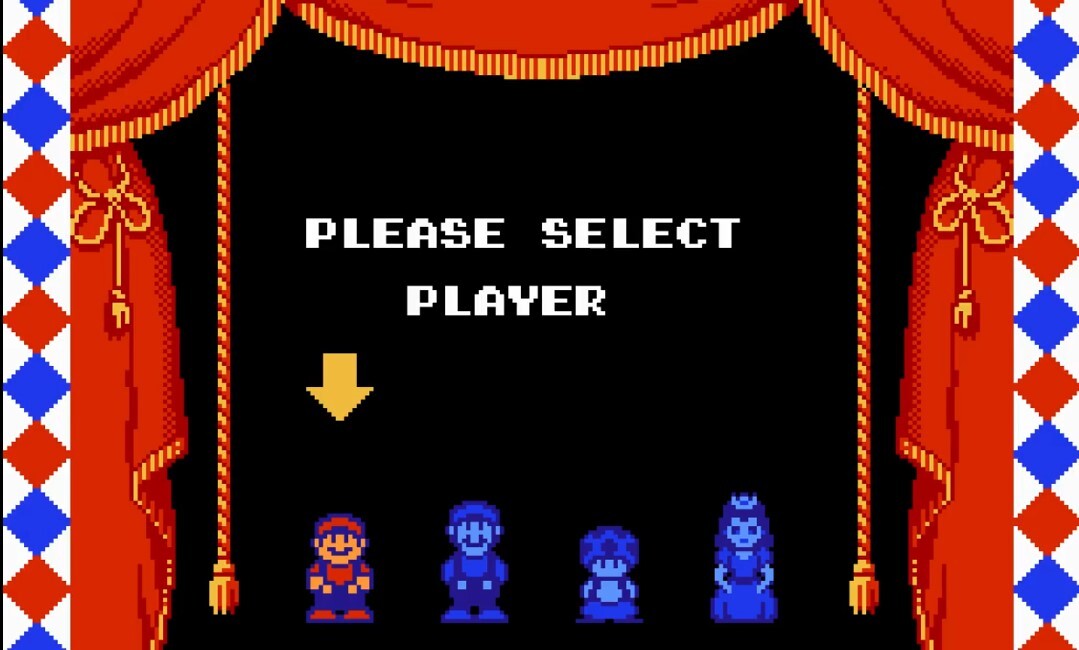
It took years for Toad and Peach to be eligible again.
Although Super Mario Bros. 2 on the Famicom Disk System was not a commercial failure, Nintendo of America had to be right on something essential: in its essential aspects it was very similar to the original . Too much. For this reason, Miyamoto and his team experimented with all kinds of ideas, including an isometric view, until they gave the game its own identity.
Interestingly, both Super Mario Bros. 3 and Super Mario World (introduced as Super Mario Bros. 4 ) follow an evolutionary line that combines the best of both second parts. We have the endless secrets and challenges of the Japanese game and the verticality of scenarios and variety of actions of the western counterpoint.
And what is more important and significant: over time, almost all the enemies and characters released in Yume Kōjō: Doki Doki Panic made their appearance in the main Mario Bros. saga. From the Bob-ombs and the Pockeys to the Shy Guys, passing through Birdo himself.
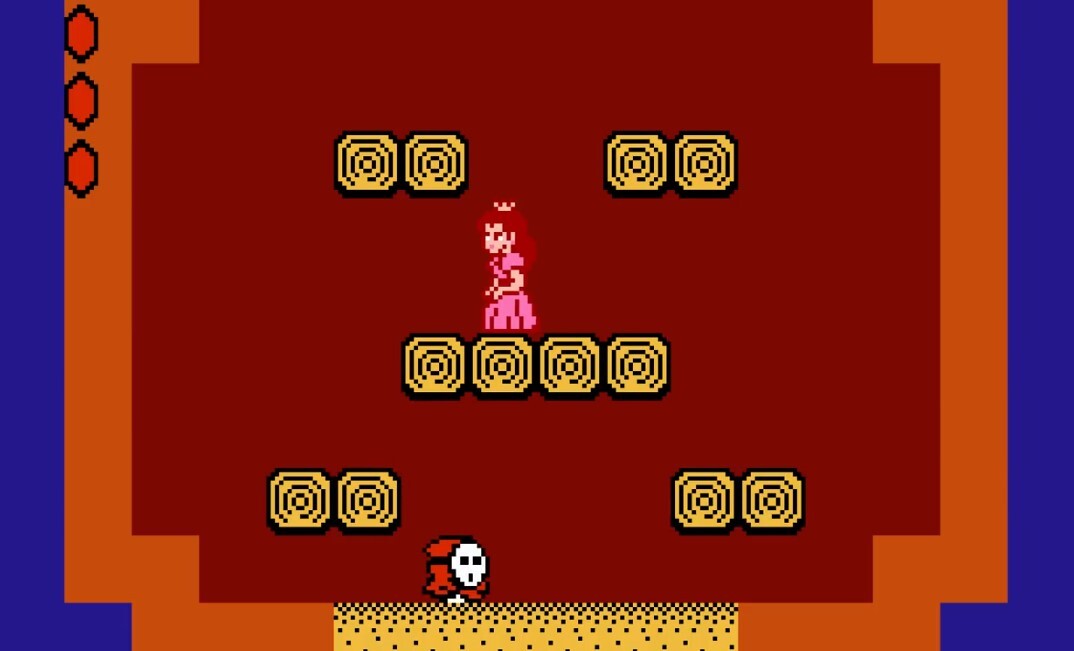
The Shy Guys of SMB2 were hiding even inside the jars
Nintendo was especially diplomatic and if as the Super Mario Bros. saga of games evolved. He was consolidating his identity, he knew how to combine the existence of both sequels . Not only did he not renounce his contributions, but he incorporated them with each new delivery.
Thus, when the SNES received Super Mario All-Stars, the collection of remakes of classic Mario games, Nintendo was clear that the two Super Mario Bros. 2 had to be present and, incidentally, be playable in all regions:
- In the European and American versions, Super Mario Bros. 2 for the Famicom Disk System came under the name Super Mario Bros .: The Lost Levels . Promoting the idea of offering some lost levels and an extra challenge.
- For its part, in the Super Mario Collection (the Japanese equivalent of Super Mario All-Stars from the Super Famicom), Super Mario Bros. 2 for the NES for America and Europe was officially presented and renamed Super Mario USA Without the word “Bros. “, which makes sense considering there are four selectable characters.
And what is even more interesting: both games have continued to be reissued worldwide . Not only through virtual consoles, which too, but as great claims fully integrated into an exceptional legacy.
Because if the Super Mario Bros. 2 of NES was the ambassador of exception of the Game Boy Advance under the title of Super Mario Advance ; It should also be remembered that Super Mario Bros .: The Lost Levels is still played today with an extra nostalgia through the Game & Watch Super Mario Bros., the console that commemorates the 35th anniversary of the Nintendo superstar.
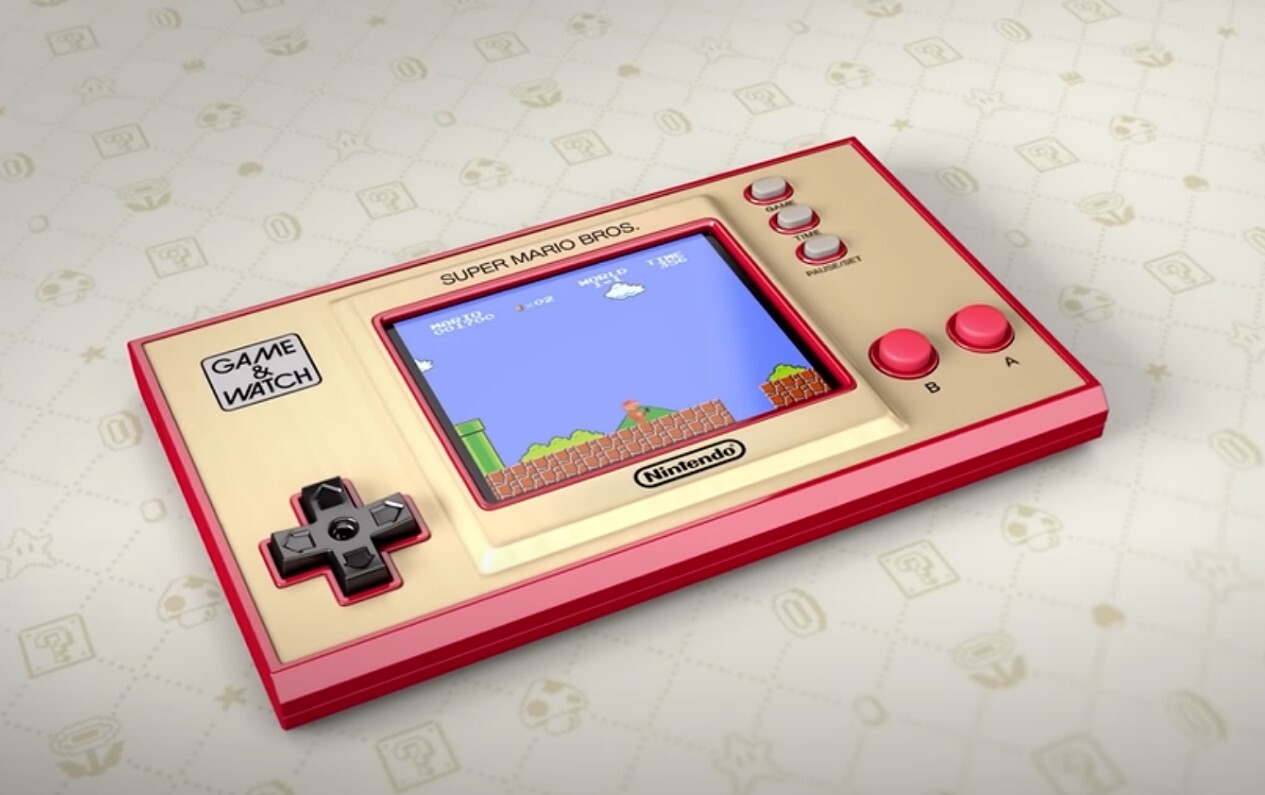
Even Nintendo’s newest handheld console has SMB The Lost Levels pre-installed
A joint and very prolific legacy that uses both game proposals as great pillars for current Mario games . Something that is reflected in the hilarious jumps of Peachette from New Super Mario Bros. U Deluxe, in the great challenge level of Super Mario Maker 2, and that delicious predisposition to offer fun above everything else in Super Mario 3D World + Bowser’s Fury.